
Live Roulette in New Zealand: How Online Tables Work
 Available in US
A practical overview of dealer-led roulette, site checks, bet timing, table formats, betting systems and the trade-offs of automation.

Table of Contents
- What Live Roulette Is Like on Screen
- Accessing Live Roulette from New Zealand
- How to Assess a Live Roulette Site
- Playing Roulette Online: Bets, Timing and Table Differences
- Double-Ball Roulette and Other Live Table Formats
- Roulette Strategies and the Limits of Betting Systems
- Free Play, Bonuses and the Cost of Live Tables
- Auto Roulette and What Automation Changes
What Live Roulette Is Like on Screen
Live roulette combines a physical wheel with a video connection to a dealer. Instead of watching an animation generated by software, you see a real wheel in a studio or a casino, filmed as the game takes place. The dealer is present at the table, and the video feed carries the action to your screen.
That distinction is the central feature of live play. A digital interface still displays the game, but the wheel and dealer are part of a real setting. Professional studios are designed to make the table visible on camera, so you can follow the dealer’s actions and see the wheel rather than relying only on a graphic or result notice.
The camera feed is live, not a recording. You watch events unfold as they happen, while the online interface gives you a way to take part and interact with the professional dealer. The precise controls and presentation can differ between sites, but the format brings together a physical table and a remote player’s screen.
For someone comparing ordinary digital roulette with video roulette live, the useful question is what the camera actually lets you see. The live format is built around a real wheel, a dealer and a broadcast, rather than a wheel represented solely by software. The quality of the experience therefore depends in part on how clearly the table is shown and how the live feed appears on your device. The presence of a real wheel does not, by itself, tell you how a particular site presents the game.

A live table may be filmed in a dedicated studio or at a casino in a particular country. In either case, the dealer conducts the game in real time and the broadcast lets you follow along from elsewhere. You are not physically at the table, but the streamed view connects your online session to the dealer and the activity on screen.
This format can feel more like watching a table than using a purely digital game, although the screen remains the point of contact. You see the dealer and wheel through the feed, while the site’s interface carries your participation. If the video pauses or becomes unclear, the live connection can feel less immediate; the format depends on a working stream as well as the physical table.
For Kiwi players looking at live roulette in New Zealand, the term describes this combination of a real wheel and a live broadcast, not a separate kind of physical venue. The defining feature is the link between the dealer’s table and the player’s screen. Other details belong to the individual game and site, so the label alone does not establish exactly how a table is arranged or what controls it offers.
Accessing Live Roulette from New Zealand
Choosing a live roulette site in New Zealand means finding an option that fits what matters to you, whether that is licensing information or a stated payout timeframe. Use the notes below as a quick reference when considering your options.
License: Malta Gaming Authority, licence no. MGA/B2C/394/2017 N1 Casino lists a Malta Gaming Authority licence, number MGA/B2C/394/2017. You can use this licence detail as a point of reference when assessing the casino.
Payout speed: 1-3 business days Lamabet lists a payout speed of 1–3 business days. That gives you a stated timeframe to consider.
Payout speed: 1-3 business days Wintino lists a payout speed of 1–3 business days. You can take this stated timeframe into account when reviewing the option.
License: Malta Gaming Authority, licence no. MGA/B2C/370/2017 Play Grand lists a Malta Gaming Authority licence, number MGA/B2C/370/2017. You can refer to this licensing information when considering the casino.
License: Tobique Gaming Commission, licence no. 0000091 7Bit Casino lists a Tobique Gaming Commission licence, number 0000091. This gives you a specific licensing detail to check.
License: Tobique Gaming Commission, licence no. 0000064 Neospin lists a Tobique Gaming Commission licence, number 0000064. You can use the listed licence information as a reference.
License: Tobique Gaming Commission, licence no. 0000002 Ricky Casino lists a Tobique Gaming Commission licence, number 0000002. This is the specific licensing detail available for your review.
License: 07017519840 · Payout speed: 1-3 business days Zotabet lists the identifier 07017519840 and a payout speed of 1–3 business days. You can consider both details when reviewing this option.
License: Curaçao Gaming Authority, licence no. OGL/2024/165/0185 BitStarz lists a Curaçao Gaming Authority licence, number OGL/2024/165/0185. You can check this licensing detail as part of your assessment.
Kiwi players can access live roulette at offshore sites. New Zealand does not currently issue its own online casino licences, but that does not make it unlawful for players to visit international gambling platforms. The practical distinction is between the player’s access and the operator’s regulatory position: a site may be available to you even though it is not licensed by a New Zealand regulator.
That distinction matters because the rules for operators are changing during 2026. The Online Casino Gambling Act 2026 took effect on 1 May, establishing New Zealand’s first domestic licensing framework for online casino gambling. Before the change, online casino services supplied from overseas were not licensed or supervised by a New Zealand authority. A Kiwi player using an offshore site had no domestic government recourse if a dispute arose. The new regime changes the regulatory framework for operators; it does not mean that every offshore site has suddenly become locally licensed.
The Act permits a maximum of 15 licences for the online casino sector. Live dealer tables fall within this same category as online slots and digital table games, rather than being treated as a separate kind of gambling service. From 1 December 2026, only operators approved under the new regulations will be legally allowed to accept players from New Zealand.
Licensing Deadline
From 1 December 2026, only operators approved under New Zealand’s new regulations will be legally allowed to accept players from New Zealand.
What the transition means
The period between the Act taking effect and the December deadline is a transition, not a permanent exemption from licensing. Online casinos that were already serving people in New Zealand before 1 May may continue operating during this period, subject to the Act’s transitional provisions. That temporary permission does not establish that an operator has already been approved for a licence.
The deadline has a direct consequence for operators that do not apply: they must stop providing online casino gambling to New Zealand players by 1 December. Sites with an application still awaiting a decision may continue to operate under the transition, but they must do so without advertising. If an application is declined, the operator must stop its online casino services in New Zealand and leave the market. The transition therefore does not guarantee that a familiar offshore site will remain available after the deadline.
The licensing regime is not expected to be fully operational until 2027, so the change will not necessarily produce a settled list of approved operators as soon as the Act begins. The limit of 15 is a cap on licences, not a promise that a particular site will receive one or that every application will succeed. For someone looking to play live roulette online, access during the transition and legal permission to accept New Zealand players after it are separate questions.

What this means for players
For now, offshore access remains possible, and Kiwi players are not prohibited from playing live dealer games at international gambling sites. But availability alone is not evidence that a site is properly regulated. Before using an offshore platform, check whether it is overseen by a recognised gambling body. That is a basic safeguard, not a substitute for New Zealand licensing: the country has no Kiwi-specific gambling licence for offshore operators at present.
It is also worth keeping the timing in view. A site operating during the transition may have been eligible to continue because it was already serving the market, yet still face a different position at the December cut-off. The relevant change is not to the roulette wheel or the live video feed; it is to which operators may legally accept New Zealand players under the new system. For anyone considering a live roulette casino, the operator’s status can therefore matter as much as whether the tables are accessible today.
New Zealand’s rules are moving from an absence of domestic online casino licensing to a capped licensing system. During the transition, some existing offshore services can continue under specific conditions. After 1 December, the permitted market narrows to approved operators. Until that process is complete, treat present access as a temporary fact about availability, not a guarantee of future access or local regulatory approval.
How to Assess a Live Roulette Site
A polished roulette stream does not tell you who operates the site or which regulator, if any, oversees it. Before creating an account or depositing money, check the operator’s identity and regulatory status separately. These are basic due-diligence steps, not a guarantee that a site is safe or that you will be able to resolve every dispute.
A polished roulette stream is not proof of regulation; you must check the operator’s identity and regulatory status separately before depositing money.
Start with the legal entity named in the site’s terms and conditions. Record its full name and compare it with the operator details shown in the site’s footer, account information and responsible-gambling pages. If those names differ, look for a clear explanation of how the companies are connected. A brand name alone is not enough to establish which business is responsible for the service.
Check what the licence actually covers
New Zealand does not have a Kiwi-specific gambling licence. Do not treat a badge or a claim about being “licensed for New Zealand” as proof of a domestic licence. Ask which regulator issued the licence, which legal entity holds it and whether it covers the online casino service you are using.
Then verify the claim with the regulator named by the operator. Use contact details or verification tools obtained independently from that regulator, rather than relying only on a link supplied by the site. Compare the legal entity and licence details shown by the regulator with those on the casino’s own pages. If the regulator’s information does not match, or you cannot confirm the licence, do not assume the site is regulated as claimed.
For New Zealand-specific confirmation, players should check an operator’s licence status with the Department of Internal Affairs (DIA). A foreign licence and a New Zealand licence are not interchangeable. The absence of a Kiwi-specific licence also means that a foreign regulator’s approval should not be described as New Zealand approval.

Match the details, not just the badge
Look for the operator’s legal name, the regulator’s name and the licence reference in the site’s terms or regulatory information. Check whether those details refer to the same business that would hold your account. A licence held by a related company is not automatically evidence that the site you are visiting is covered; the relationship and scope should be clear.
Pay attention to what the licence permits. A site may offer several kinds of gambling, but a regulatory claim should relate to the service being provided, not merely to a company with a similar name. If the wording is vague, ask the operator for the precise legal entity and licence details, then check those details with the regulator. A response that repeats marketing language without answering the question is not verification.
Also confirm that you are on the intended website. Similar names, copied branding and lookalike addresses can make it difficult to tell whether a licence statement belongs to the service in front of you. Use the operator’s official address consistently, and do not rely on search-result snippets or an image of a licence badge as evidence.
Read the terms before you rely on the site
Regulatory status is only one part of the assessment. Read the terms that explain account restrictions, identity checks, complaints and account closure. Make sure you can identify the process for raising a dispute and the organisation responsible for handling it. If the site’s legal pages are missing, contradictory or difficult to connect to the named operator, treat that as a reason to pause rather than as a minor inconvenience.
Site Assessment Steps
- Compare the legal entity in the terms and conditions with the footer details
- Verify the licence with the named regulator using independent contact tools
- Check the operator’s status with the Department of Internal Affairs (DIA)
- Identify the process for raising a dispute and the responsible organisation
- Confirm the official website address to avoid lookalike sites
Check that the site gives you a clear way to contact the operator and that the contact route matches the business named in its terms. Keep copies of relevant terms and any licence information you rely on; pages can change, and a record helps you explain what you saw if you later need to make a complaint. Do not send identity documents or payment details merely to test whether a site is genuine.
These checks are useful whether you are comparing live roulette sites or considering a single live roulette online casino. “Best” is not a regulatory category. A large table selection, an exclusive-looking room or a claim about a special roulette format does not establish who oversees the operator. Nor does a popular brand name substitute for checking the legal entity and licence.
Treat any “trick” that promises to identify a safe site from its design, game labels or promotional wording with caution. The meaningful questions are who is responsible, which regulator issued the licence, what service it covers, and whether the details can be confirmed independently. If you cannot get clear answers, choosing not to open an account is a sound due-diligence decision.
Playing Roulette Online: Bets, Timing and Table Differences
A live roulette round follows a short sequence: you choose a wager, the betting window closes, the wheel is spun, and the result determines which wagers win. You make your choices on a digital betting layout beside the live table. That layout is the betting interface; it does not change the physical wheel or the way the result is decided.

The first useful distinction is between a bet on one precise outcome and a bet covering a broader group. A straight-up wager selects a single number. Other bets cover combinations of numbers, a colour, or an even-money category such as odd or even. The narrower the group, the less often it wins; broader bets cover more possible results. The payout differs accordingly, but no bet changes the wheel’s underlying odds.
To place a wager, select the relevant area of the layout and choose how much to stake from the controls provided at the table. The interface should show your selected chip or stake on the betting grid, making it easier to check what you have placed before betting closes. If you have selected the wrong area, remove or change the wager while the betting window remains open. Once the dealer closes betting, the layout no longer accepts changes for that round.
That closing point is central to the pace of live roulette. Most live games give you a limited period to place bets, so decisions need to be made before the round moves on. The timer is not an invitation to rush through unfamiliar rules. If you are still working out what a layout means, watch a round first or choose only wagers you understand. When betting closes, the dealer spins the wheel and the ball settles into a pocket. The winning result appears on the interface, and the table proceeds to the next round.
Features one zero pocket with a typical house edge of around 2.7%.
Includes an additional double-zero pocket, resulting in a higher house edge of around 5.26%.
A live table can make the process feel more immediate than a purely automated game, but the underlying task is simple: place a wager before the cutoff and wait for the result. The dealer’s announcements and the on-screen display help you follow the round. Keep your attention on the betting grid as well as the video; a result shown on screen does not alter a wager that was already accepted, and an intended bet that was not placed before closure is not part of that round.
Table rules matter because roulette is not a single identical layout everywhere. European roulette has one zero pocket, while American roulette has an additional double-zero pocket. That extra pocket changes the probabilities across the table. The typical house edge for live European roulette is around 2.7%; for American roulette it is around 5.26%. The house edge is the mathematical advantage built into the game over time, not a prediction of what will happen in an individual round. A particular spin can produce any available result, but the difference between these versions persists across play.
Check which wheel is being used before placing a bet, rather than assuming the table follows the version you have seen elsewhere. The layout and the table information should identify the game. If the distinction is not clear, pause and read the rules or ask the dealer through the available chat function before staking money. This is more useful than inferring the version from the look of the interface.
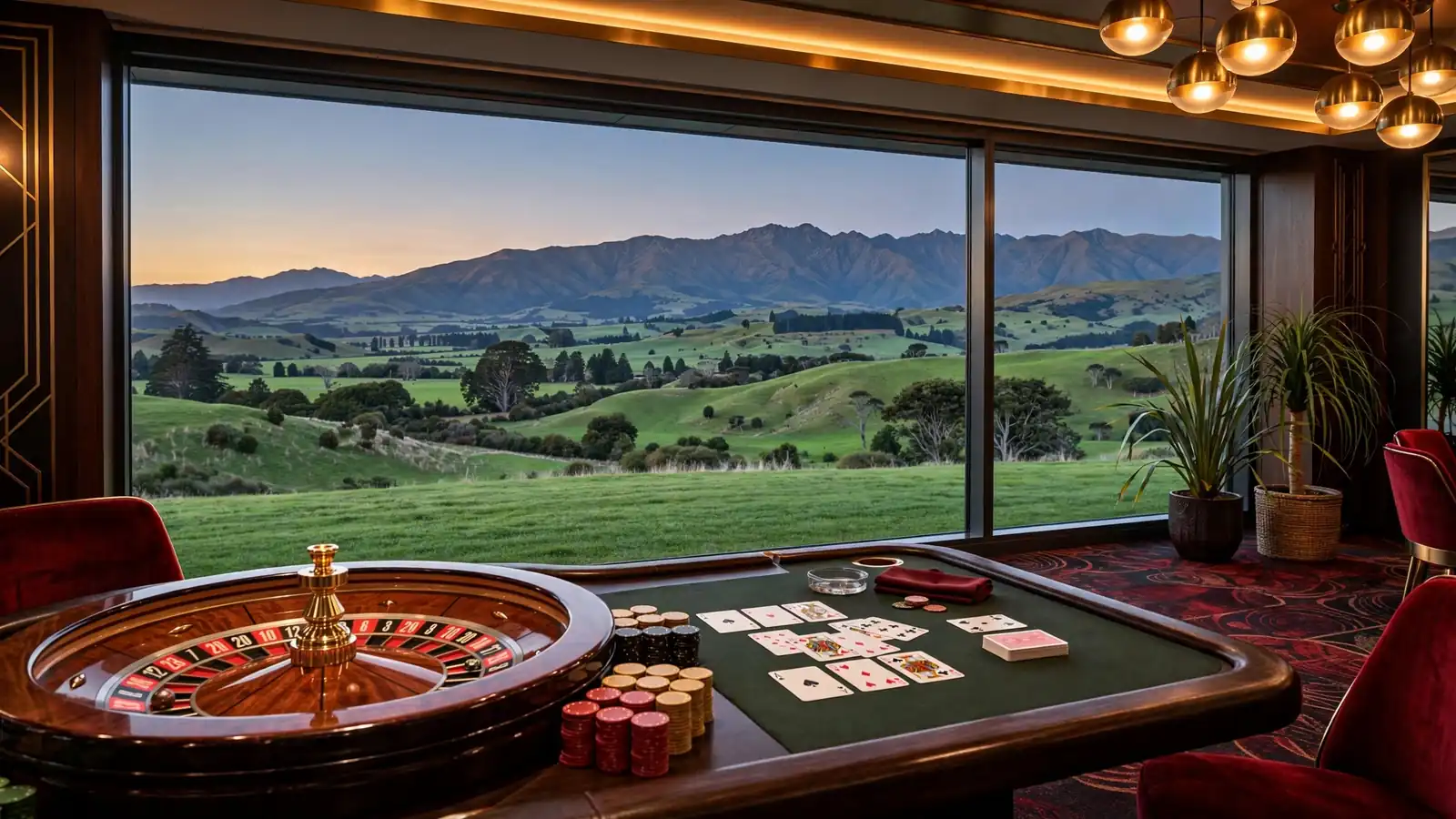
The betting grid also affects how easy it is to follow your own choices. A crowded screen can make it harder to see where a chip has landed, especially when several bets are placed together. Keeping the wager simple enough to verify is a practical safeguard against interface mistakes. Before betting closes, check the marked positions and the displayed stake; after closure, the round has moved beyond the point where you can revise them.
If you are learning how to play live roulette, observing a complete round without betting can help you understand the sequence: the open betting period, the cutoff, the spin, and the result. When you do take part, focus on the rules displayed for that specific table. The basic cycle stays recognisable, but the available layout and the wheel version can differ. In particular, the European and American versions do not carry the same house edge, so treating them as interchangeable obscures a material difference.
The table’s pace is part of the experience, not evidence that a wager is more likely to succeed. Live rounds move on when betting closes, and there is no requirement to make a bet on every spin. You can sit out a round while you read the layout or wait for the next betting window. Understanding the timing and confirming the wheel type give you a clearer picture of what you are choosing; they do not remove the chance involved in each result.
Double-Ball Roulette and Other Live Table Formats
“Double-ball roulette” describes a format label, not a guarantee that every live roulette table has the same rules or equipment. If you encounter the term, check the individual table’s description before joining. The name alone does not confirm how a round works, what bets are offered, or how any result is settled. Those details belong to the rules for that particular game.

That distinction matters because live dealer roulette is a broad category. Its defining feature is the live presentation: a real wheel and dealer are shown through a broadcast from a professional studio or a casino. The label attached to a table may refer to a particular format, but it does not replace the table rules. A title can tell you what the operator calls a game; it cannot, on its own, explain how to play it.
For a double-ball title, look for the game’s own instructions and read them before placing a bet. Check what the table says about the sequence of play, the available betting choices, and how winning bets are determined. If any of those points are unclear, do not infer the answer from the name or from familiarity with another roulette table. A different format can have different rules, and the practical details are more important than the label.
The same care applies to other live roulette formats. A table may be presented differently from another while still using a real wheel and dealer, but the specific format needs to be confirmed at the operator. Check the rules displayed for that table rather than relying on a general description of live roulette. If the operator does not make the rules clear before play, you have little basis for deciding whether the format suits you.
A useful check is to separate three things that can be blurred together: the live broadcast, the game’s format, and the table’s rules. The broadcast tells you that the game is being shown live from a studio or a casino, with a real dealer and wheel. The format is the named version offered at that table. The rules explain what happens during play and how bets are resolved. Confirming one does not settle the other two.

This is especially relevant when a game title sounds familiar. A format name may resemble a version you have seen elsewhere, but that is not proof that its instructions are identical. Read the rules on the actual table, including any explanation of how to place and settle bets. If the title suggests an unusual feature, the written instructions should explain what that feature means in practice. If they do not, treat the uncertainty as a reason to pause rather than as an invitation to guess.
A live dealer roulette game is not simply a label on a screen: the live element comes from the real wheel, dealer and broadcast. But knowing that does not tell you which particular roulette format is available, or whether a named double-ball version is offered at a given site. Availability can differ between operators and can change, so verify the current table catalogue directly. Do not assume that a description of a format elsewhere applies to the table in front of you.
Payment wording is separate from the game format. A search for roulette that can be paid for through a phone bill does not establish that a particular operator accepts that method, or that it can be used for a live table. Check the operator’s payment information and any conditions attached to the method before relying on it. The game’s title says nothing about how deposits or withdrawals work.
Attention A game’s title or format label does not guarantee specific rules or payment methods; always verify the written table rules and operator’s payment information individually.
The same principle applies when browsing live roulette games more generally: confirm the table’s rules and format individually. A catalogue may group several tables under the same broad roulette heading, but that does not make their instructions interchangeable. Treat the live broadcast as the common setting, and the written table rules as the authority on the particular game.
Roulette Strategies and the Limits of Betting Systems
A live roulette strategy can help you set rules for how you wager, but it cannot change the odds built into the game. The key figure is the house edge: the casino’s mathematical advantage over time, expressed as a share of the money wagered. It does not predict the result of a particular spin, and it does not mean that every player will lose the same amount.
The edge depends on the roulette version. Live European roulette has a house edge of around 2.7%, while the figure for American roulette is around 5.26%. The difference matters when comparing tables: the American version gives the house a larger mathematical advantage. A betting system does not erase that difference, so the table’s rules remain more important than a pattern in your wagers.
Systems based on changing bet size can make results feel more orderly. You might increase a wager after a loss, reduce it after a win, or follow a set sequence. These rules can affect the size and timing of individual wins and losses, but they do not alter the wheel or make past results a reliable guide to the next spin. A run of outcomes is not evidence that a different result is due.
This is why a live online roulette strategy is best understood as a way to manage your own decisions, not as a method for beating the game. You can decide in advance what you are willing to wager and when you will stop, then stick to those limits. Such boundaries may help prevent impulsive changes, but they do not improve the underlying odds or guarantee that you will finish ahead.
Claims that a system can reliably recover losses deserve particular caution. A sequence that calls for larger wagers after losses can expose you to progressively greater risk; a streak of wins can also end without warning. Neither outcome is controlled by a strategy. The house edge describes the game’s long-term mathematics, not a timetable for when it will show up in your results.
“Instant” play does not make roulette more predictable. A quick sequence of spins may produce a result quickly, but speed does not change the house edge. If you choose to play, compare the stated roulette version and treat any betting plan as a personal spending rule—not a way to turn chance into certainty.
Free Play, Bonuses and the Cost of Live Tables
A search for a free live roulette game can set an expectation that the table will be available to practise on without depositing. That is not something to assume. Live dealer games are generally not offered in free-play mode because operating a staffed table and its broadcast studio costs casinos money. The same practical limit applies when you are looking specifically for roulette: a free version may not be available, even if an operator offers free-play options elsewhere.
- Review the operator’s published rules before playing
- Check complete terms for expiry and withdrawal requirements
- Verify if an offer is specifically available to Kiwi players
- Assume live tables have a free-play or practice mode
- Treat a promotional headline as a guarantee of free access
- Deposit based on an unverified promise of free bets or spins
Promotional language can also blur the distinction between a free bet and free access to a live table. A free bet is an offer with its own conditions; it does not necessarily mean you can play roulette without risking your own funds, or that the live table itself has a practice mode. Likewise, a reference to free spins does not establish that they can be used on roulette. Check the terms attached to any offer rather than treating its headline as a description of how the game works.
For Kiwi players, there is an additional reason to be wary of promotional claims. During the transition period, online casino operators are prohibited from advertising to people in New Zealand. Bonus offers are also subject to a cap: NZ$100 or 200% of the deposit. Those rules do not mean that a particular offer exists, applies to you, or can be used on live roulette. An offer described elsewhere may be outdated or may not be available to people in New Zealand.
Before acting on a promotion, look for the complete terms: which games qualify, whether the offer has an expiry, what steps are required before any winnings can be withdrawn, and whether the offer is available to Kiwi players. If those details are unclear, the headline is not enough to make a sound decision. Do not deposit on the assumption that a promised free bet, free game or spin package will cover the cost of playing.
If your aim is simply to understand the live-table experience, free access may not be a reliable route. You can review the operator’s published rules and table information before deciding whether to play, but remember that promotional wording and actual eligibility are separate things. A live table has real operating costs; the word “free” does not make those costs disappear.

Auto Roulette and What Automation Changes
“Auto roulette” can suggest that the wheel, dealer or betting process runs without human involvement. The label alone does not tell you which, if any, part of a table is automated. If a game is presented as live dealer roulette, its defining feature is still a live video feed: you watch a professional dealer and can interact with them. Automation in the name should not be taken as proof that the game has become a computer-generated roulette simulation—or that the live elements have disappeared.
Check the table’s own description before deciding what the label means. It should make clear whether you are watching a real dealer and wheel through a live broadcast. If the description is unclear, the word “auto” does not fill the gap. It is a product label, not a reliable explanation of how the game is run.
That distinction matters because a live feed depends on a working connection between the broadcast and the game. A specialist review has reported that live dealer games can experience technical problems. A pause, frozen image or interrupted stream can make it difficult to tell what is happening at the table. The review’s observation is not a promise that every table will have problems, nor does it establish how often they occur.
If the feed stops or the displayed game state seems out of step with what you can see, avoid guessing whether a bet or result has been recorded. Use the operator’s stated process for checking the round and contacting support. The table’s rules and support guidance are more useful than assumptions based on the word “auto”.
In short, automation may describe a feature or presentation choice, but it does not by itself define the underlying roulette game. For live roulette, the useful test is whether a real dealer is conducting play on a live feed—and whether the operator explains what happens if that feed fails.
Can New Zealand players play real-money live dealer games at offshore casino sites?
Yes, you can play live dealer games at offshore sites. Check that the operator is regulated by a recognised gambling body and confirm its licence status with the Department of Internal Affairs.
Can players deposit and withdraw using New Zealand dollars at live casinos?
Yes, many operators allow deposits and withdrawals in New Zealand dollars. Payment methods and processing times vary; Neteller, Skrill and Bitcoin may offer faster transactions, though fees or limitations can apply.
What changes on 1 December 2026?
From 1 December 2026, only operators approved under New Zealand’s new online casino regulations may legally accept players in New Zealand. Operators still awaiting a decision may continue under the transition, but cannot advertise.
What games can I play at a live casino?
You can play live roulette, blackjack and baccarat. These games use real wheels or cards and are streamed with professional dealers.
Prepared by the Casinosbonusesinfo editorial staff.